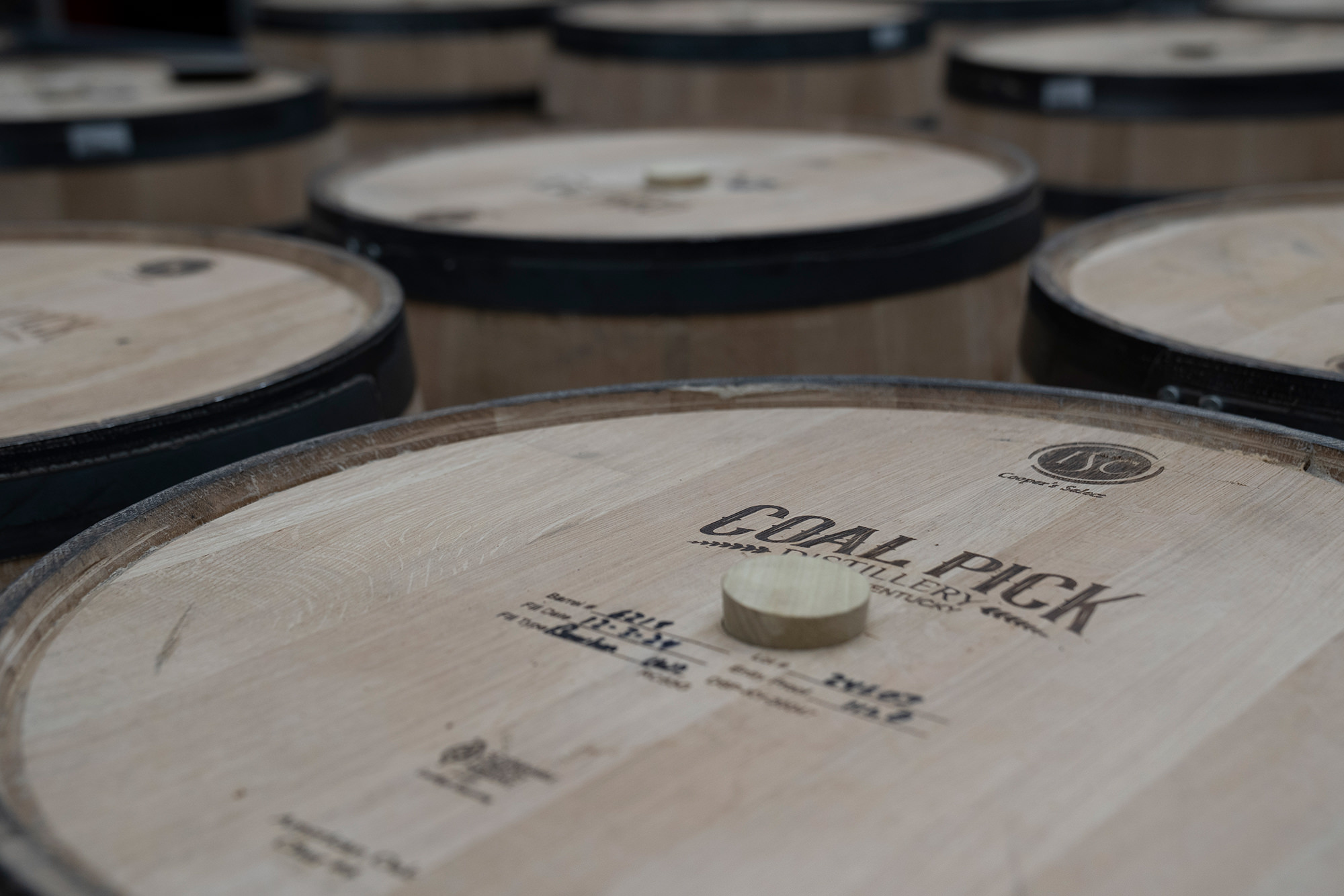
Barrel Aging Explained: How Time, Temperature, and Timber Shape Bourbon Flavor
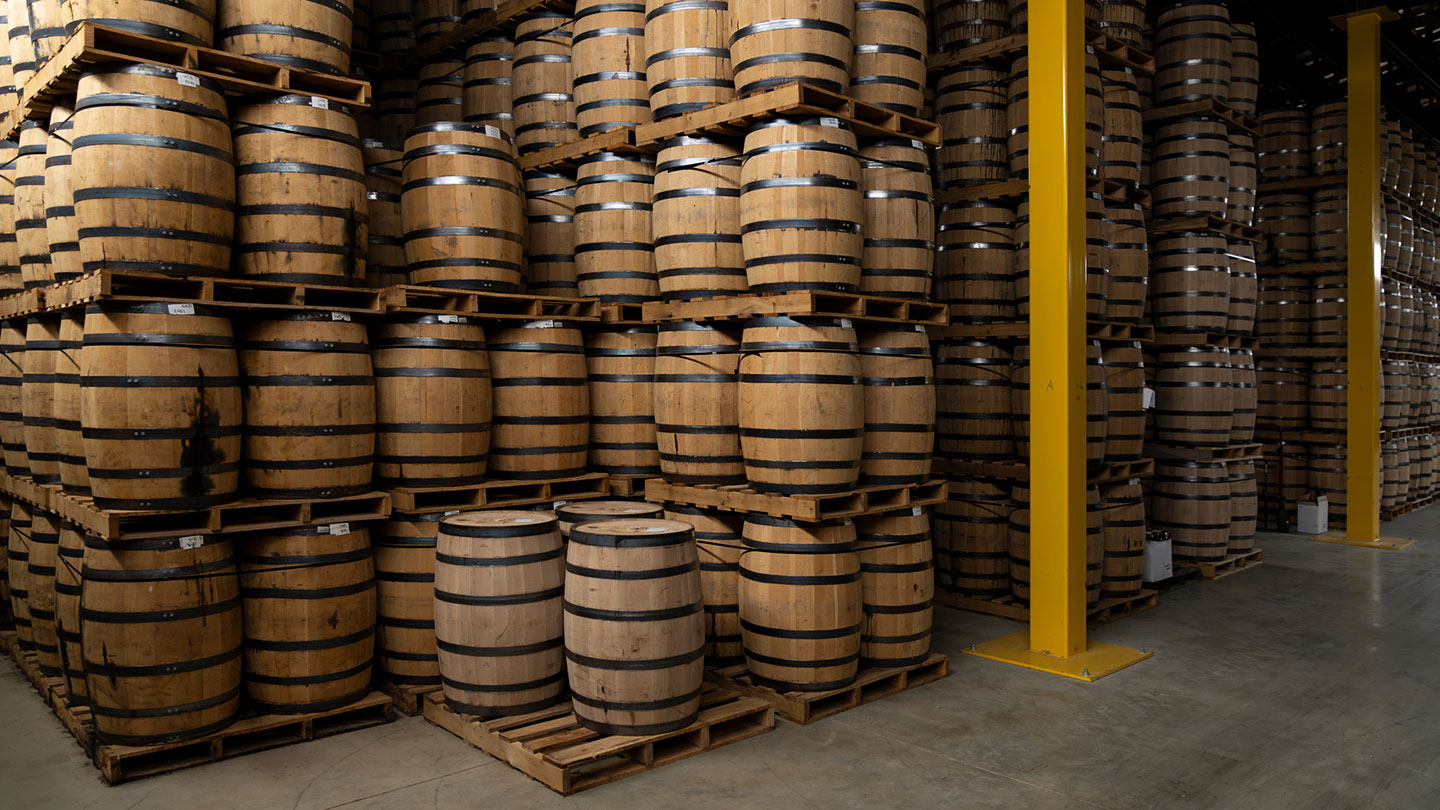
Bourbon develops most of its character while it rests in the barrel, not in the still. Distillation creates the clear base spirit, but years inside a charred oak barrel transform it into something complex, layered, and distinctive.
At Coal Pick, our barrels sit through real Midwest seasons, where hot summers and cold winters slowly work the whiskey deep into the wood and back again. That dance of spirit and oak leads to rich color, concentrated aromas, and the flavors bourbon lovers chase.
Three primary factors drive that transformation: patience, temperature, and timber.
Why Patience Matters in Bourbon Aging
Time is more than a number on a label; it represents years of interaction between spirit, wood, and oxygen. As bourbon rests in the barrel, it extracts compounds from the oak including vanillin, caramelized sugars, and tannins, creating notes of vanilla, toffee, oak, and spice. Slow oxidation and wood integration build balance that cannot be rushed or duplicated by shortcuts.
What Happens Inside the Barrel Over Time?
-
Alcohol and water penetrate the wood staves, dissolving flavor compounds from the charred and toasted layers.
-
Charred layers act as a natural filter, helping remove harsher elements while adding color and smoke.
-
Oxygen gradually enters through the oak, softening the spirit and rounding off sharp edges.
-
A portion of liquid evaporates each year (the “angel’s share”), concentrating what remains in the barrel.
When we taste Coal Pick barrels over the years, early samples often show bold grain and fresh oak, while older barrels reveal layered caramel, dried fruit, and spice that only time can unlock.
How Temperature Shapes Flavor
Seasonal temperature swings are essential to traditional bourbon aging. In open-air rickhouses and metal-clad warehouses, barrels are at the mercy of the weather, and that’s a good thing for flavor.
Expansion and Contraction
In warm weather, bourbon expands into the barrel staves, pulling flavor compounds from the wood. In colder months, it contracts back toward the center of the barrel, carrying those extracted flavors with it. This cycle repeats year after year, gradually building complexity and accelerating maturation compared to more stable climates.
Warehouse Placement and Microclimates
Not every barrel experiences the same conditions. Barrels stored higher in a rickhouse or closer to exterior walls see larger temperature swings and often age more quickly and intensely. Lower levels and interior positions stay cooler and more stable, allowing for slower, more delicate development.
These microclimates create subtle but meaningful variations between barrels pulled from different levels and locations. When we select Coal Pick barrels, we lean into those differences, blending or bottling in ways that highlight both the bold “hot spot” barrels and the smoother, slow-aged casks.
Timber and Barrel Construction: Oak as an Ingredient
By U.S. law, bourbon must be aged in new, charred oak containers, and distillers traditionally use new American oak barrels. That requirement, combined with oak’s natural chemistry, is a major reason bourbon has its signature color and flavor.
Char Level
Inside each barrel, the oak is toasted and then charred, creating a layer of carbon and caramelized wood sugars. Higher char levels (like the common #3 or #4 “alligator” char) can yield deeper color, richer caramel, and smokier undertones. Lighter char can preserve more fresh oak character and gentle spice.
Wood Grain and Toasting
Oak with a tighter grain can allow for slower flavor extraction and a more gradual integration of tannins, sweetness, and spice. Toasting the barrel before charring helps break down lignin and hemicellulose in the wood, boosting sweet, vanilla, and baking spice notes while adding layered aromatics.
Timber is not just a container; it is an active ingredient that contributes structure, aroma, and flavor to every drop of Coal Pick bourbon.
FAQs About Barrel Aging
Why does bourbon have to age in new oak barrels?
Federal standards require bourbon to be aged in new, charred oak containers, which has historically meant new charred oak barrels. This rule helps ensure bourbon develops its characteristic amber color and bold oak-driven flavor profile.
Does longer aging always mean better bourbon?
Not always. While additional years can add depth and concentration, overly long aging in active oak can introduce too much tannin, bitterness, or dryness if not monitored carefully. Many distillers and blenders look for a “sweet spot” where wood, grain, and sweetness are in balance rather than simply chasing higher age statements.
How does climate affect bourbon aging?
Regions with hot summers and cold winters, like Kentucky and much of the American Midwest, provide stronger temperature swings that drive whiskey in and out of the wood and can speed up maturation. Milder climates can lead to slower, more subtle development and different balance in the final spirit.
What is the angel’s share?
The angel’s share is the portion of whiskey that evaporates from the barrel during aging. As alcohol and water escape through the pores of the oak into the surrounding air, the remaining liquid becomes more concentrated and continues to interact with incoming oxygen.
Barrel aging is where science meets patience. Time, temperature, and timber work together to shape bourbon’s identity, and every barrel tells a slightly different story.
At Coal Pick, we embrace those natural variations—sampling barrels across different floors, exposures, and ages to decide which belong in a single barrel release, which are perfect for a small batch, and which still need more time in the dark. If you want to experience how age, climate, and oak come together in the glass, visit our distillery and taste the difference straight from the barrel.