Single Barrel vs Very Small Batch: How to Choose Your Coal Pick
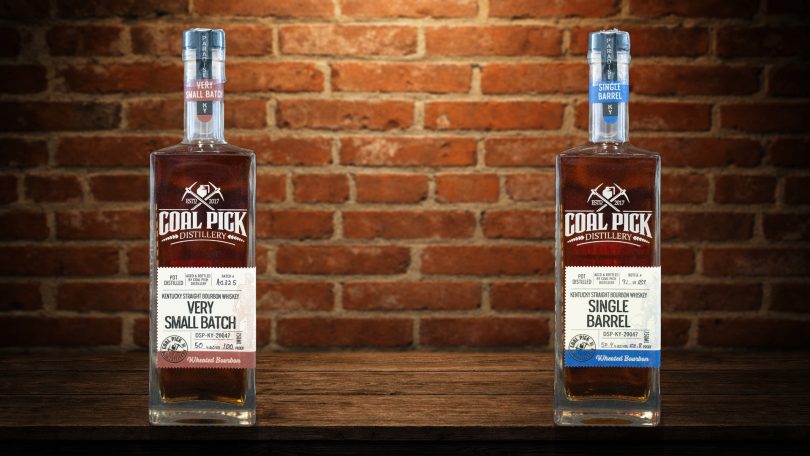
Coal Pick offers a few different ways to experience its bourbon, and two of the most popular are Single Barrel and Very Small Batch. Both are built on the same sweet-mash, pot-distilled foundation, but they deliver slightly different experiences in the glass. Knowing the difference helps you pick the bottle that fits your mood—or the person you’re gifting.
Let’s start with Very Small Batch. This expression is blended from 3 to 5 barrels at a time and bottled at around 100 proof. That tiny batch size lets the team balance consistency with character. You still get a house profile—soft, wheated sweetness, layered baking spice, and a mature, dark fruit note—but each batch has its own subtle personality. At 100 proof, it’s approachable neat, plays well with a cube, and holds up beautifully in an Old Fashioned or Boulevardier.
Single Barrel, on the other hand, is exactly what it sounds like: bourbon pulled from one specific barrel and bottled on its own. Coal Pick’s Single Barrel is typically bottled around 100 proof as well, but it reflects the unique fingerprint of that cask—where it sat in the rickhouse, how the wood behaved, and how the whiskey interacted with it over time. One barrel might lean into rich caramel and vanilla, while another shows more dried fruit, cocoa, or spice.
So which one is right for you?
- Choose Very Small Batch if you want a reliable “house pour” that shows off Coal Pick’s core profile, especially if you’re stocking a home bar or buying a bottle to share with a wide range of palates.
- Choose Single Barrel if you enjoy hunting for nuance, comparing barrel numbers, and tasting the small differences that make whiskey exploration fun. It’s also a great pick for bourbon clubs and groups that want something with a story right on the label.
If you really want to dive in, line up one Very Small Batch and one Single Barrel side by side. Take small, slow sips, and jot down what you notice about sweetness, spice, and finish. You’ll find they’re clearly part of the same Coal Pick family—but each speaks with its own voice.